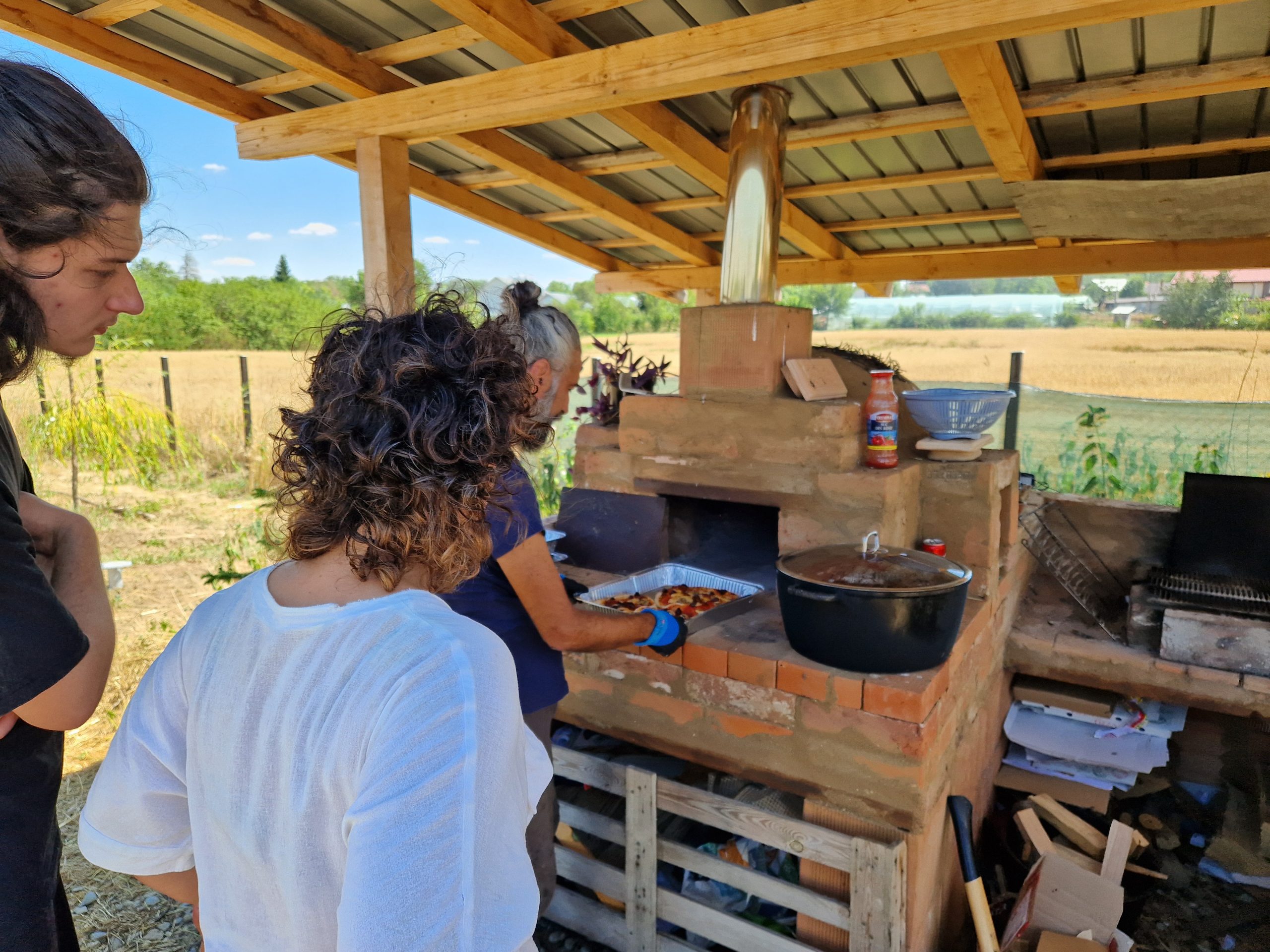
Demeter the Oven
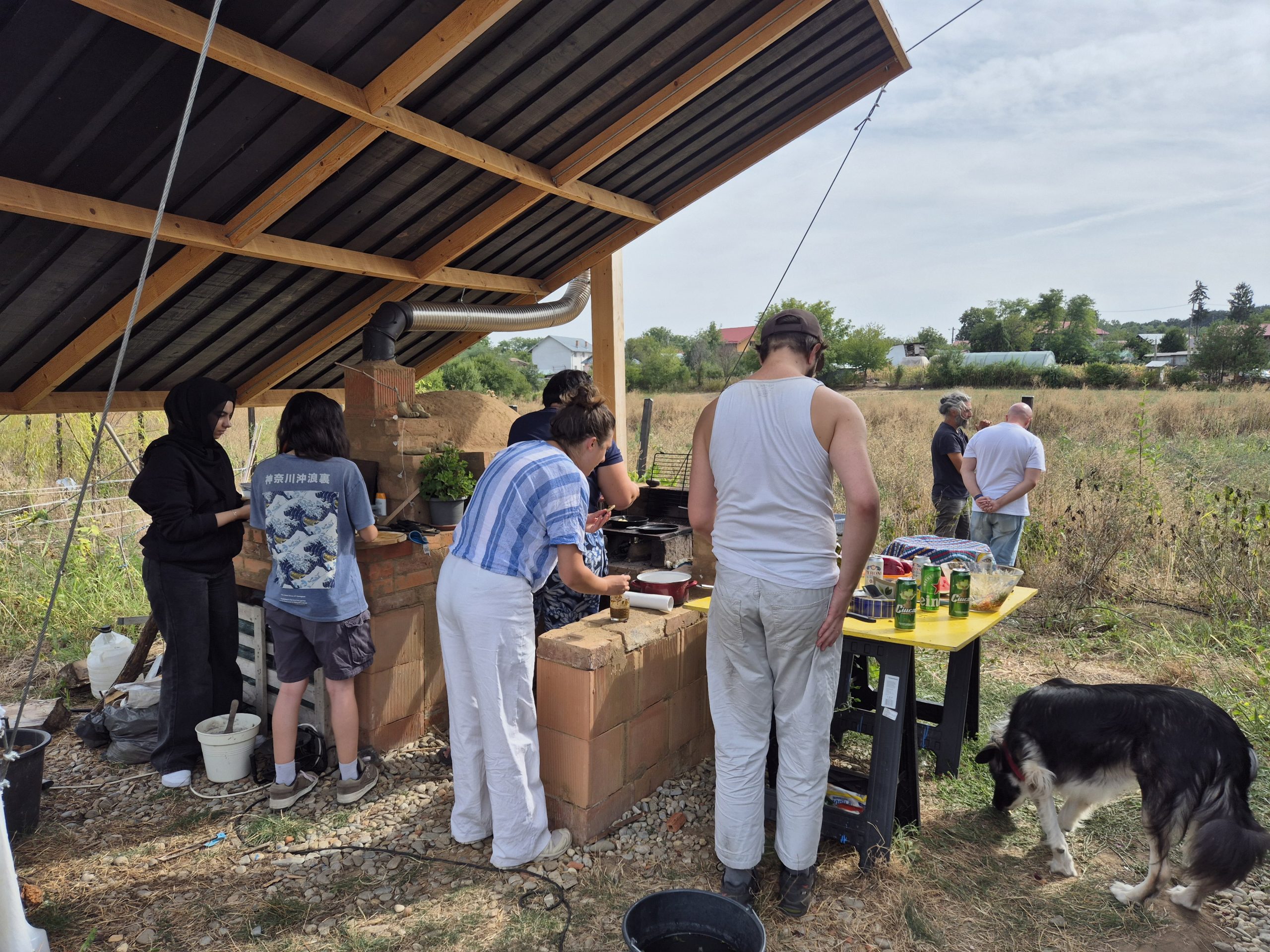
A traditional oven in the garden is a place to celebrate the harvest, the beginning and end of seasons (as unpredictable as they have become), to gather people around its fire and fresh smell of baking bread, to provide food, stories and shelter.
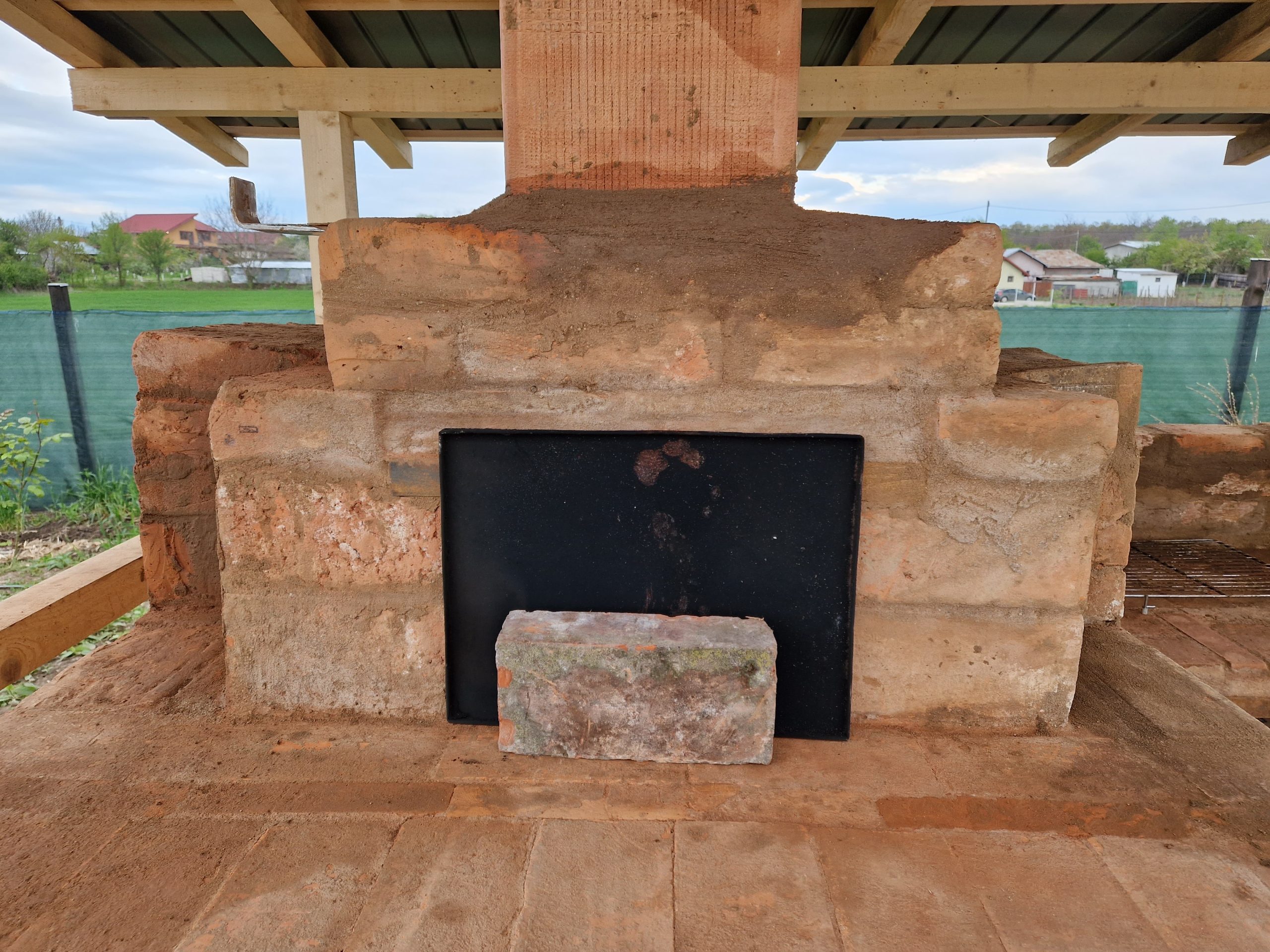
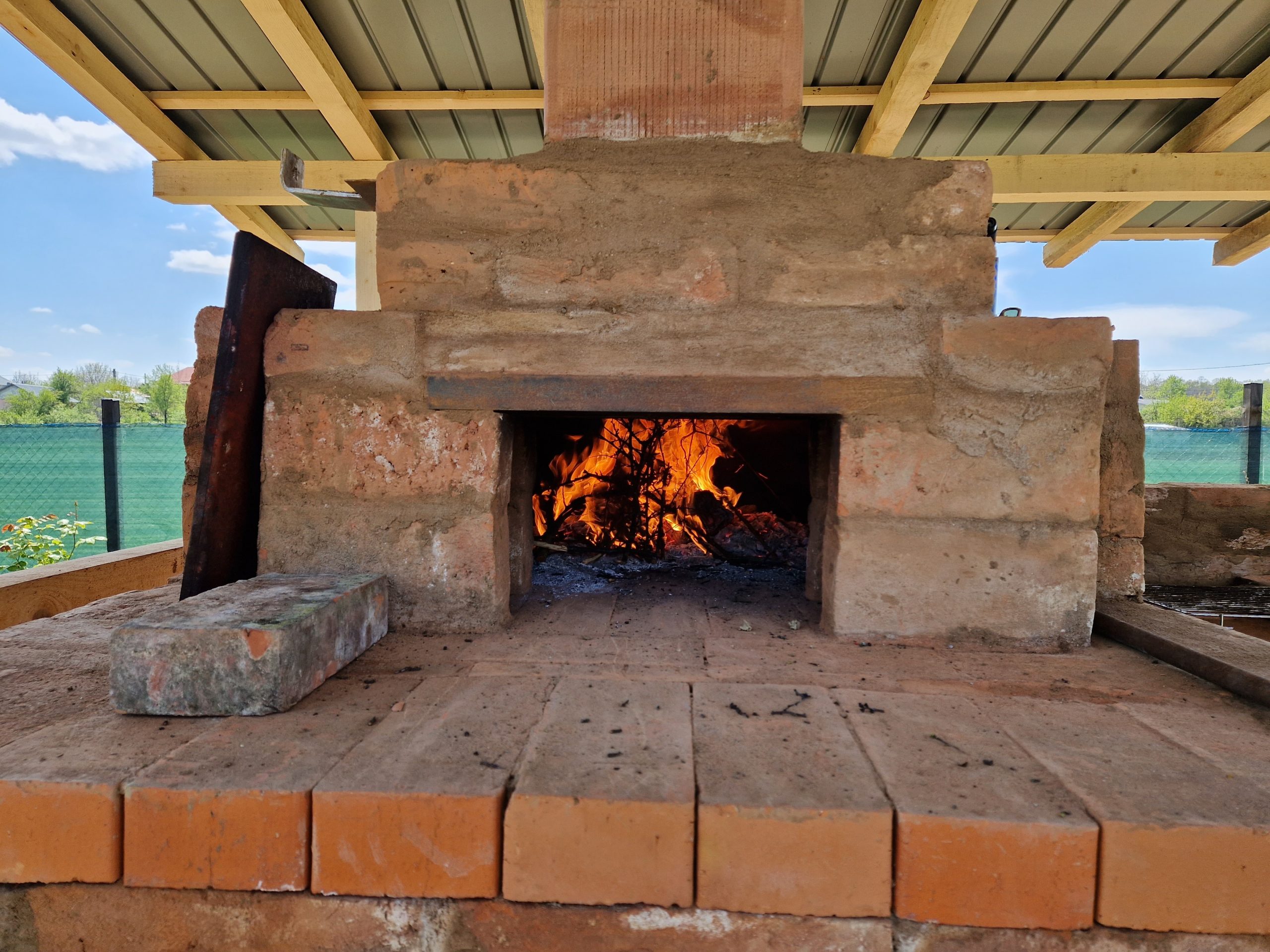
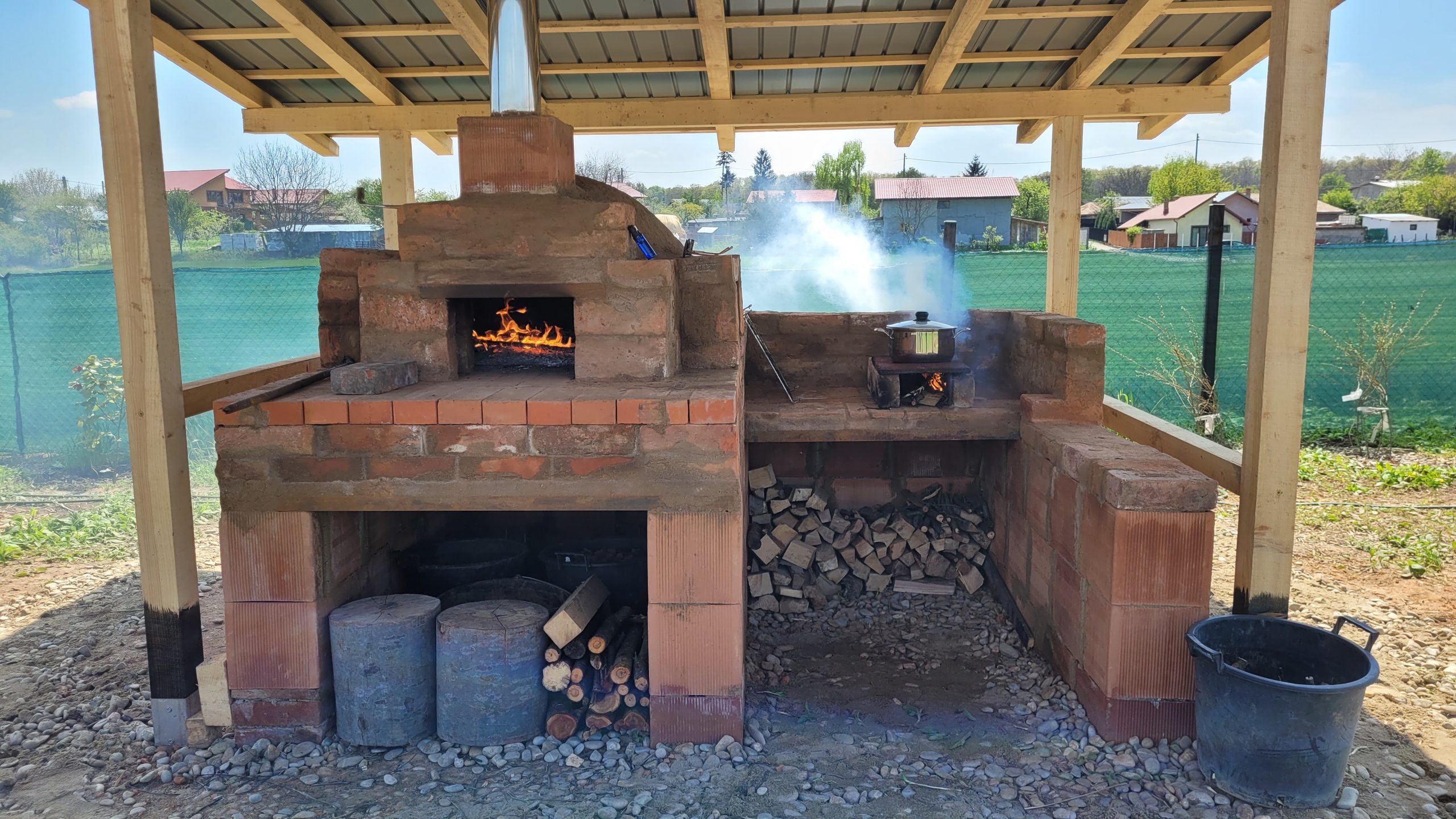
Manufactured at the Station from recycled bricks, some collected in the vicinity of the Station, from clay sourced in the nearby village of Odaile, where all the inhabitants make terracotta stoves, and from smashed glass, Demeter is the sister of Grandpa Asimov, the oven that V. Leac built in 2016 in the Tranzit Garden in Bucharest. A poet, a gardener, a cosmic imaginer and a craftsman, Leac has invoked the ancient goddess of the crops and the grains, merging her benevolence with the texture of materials that are coming also from the earth, inviting us to see the oven as a place of collective nourishment and gratitude.
Demeter is part of a series of eco-prototypes at the Station, some built in the framework of the project Architecture, Biodiversity, Culture. It was built in 2023 and adapted in 2024 to be part of a cluster with Acaret 44°N 26°E Community Kitchen and with the phytofiltration system.
Lady Demeter, giver of splendid gifts* – participatory workshop for the construction of the oven, 2023
V. Leac
Poet and obscure researcher of disappeared territories from the geography of the present. He published poem volumes with different publishing houses (Seymour: sonată pentru cornet de hârtie, 2005, 2006, 2013; Dicționar de vine, 2006, Lucian – un experiment, 2009; Toți sunt îngrijorați, 2010; Unchiul este încântat, 2013; M o n o i d e a l, 2018).
He collaborated over time with different art organisations and spaces, involved in various projects dedicated to ecology and sustainability. He is a founding member of the literary group Celebrul animal [The famous animal] and of the magazine Ca şi Cum [As If]. He co-authored the eco-horror filmBodrog, 2019 and authored more film shorts and videopoems.
I always wanted to write poems for two, three astronauts, slightly distracted, whose bodies hardly contain life anymore; with them navigating without a precise destination. I want you to imagine the smile of the astronaut, sitting there, near the porthole, at a table; sipping from his drink – what is he drinking? After the reading you should feel like the poem is lifting (from the page) on its toes; kisses you on the cheek; then furthers away in a run; that it stops; comes back and laughs in your face, like a smart kid of which you think he knows the secret of happiness.